




You update your skincare when the seasons change. You switch to lighter layers. But your scalp? Most people forget it completely until it starts acting up.
If your roots have felt greasier lately, you’ve spotted more hair in the shower drain, or your scalp has been randomly itchy since the weather warmed up, you’re not imagining it. Spring is one of the most disruptive seasonal shifts your scalp goes through all year.
Here’s what’s happening, and what to do about it.
Why Spring Throws Your Scalp Off
More heat = more oil Warmer temperatures activate your sebaceous glands, and your scalp produces more sebum as a natural response. For already-oily scalps, this can mean greasy roots just hours after washing. Left uncleaned, that buildup creates the perfect environment for dandruff-causing yeast to thrive.
Seasonal shedding is real Hair loss naturally spikes in spring and autumn due to shifting daylight hours and hormonal fluctuations that affect your hair growth cycle. It’s temporary, but it can feel alarming if you don’t know it’s coming. The good news: a healthy scalp environment helps new growth come through stronger.
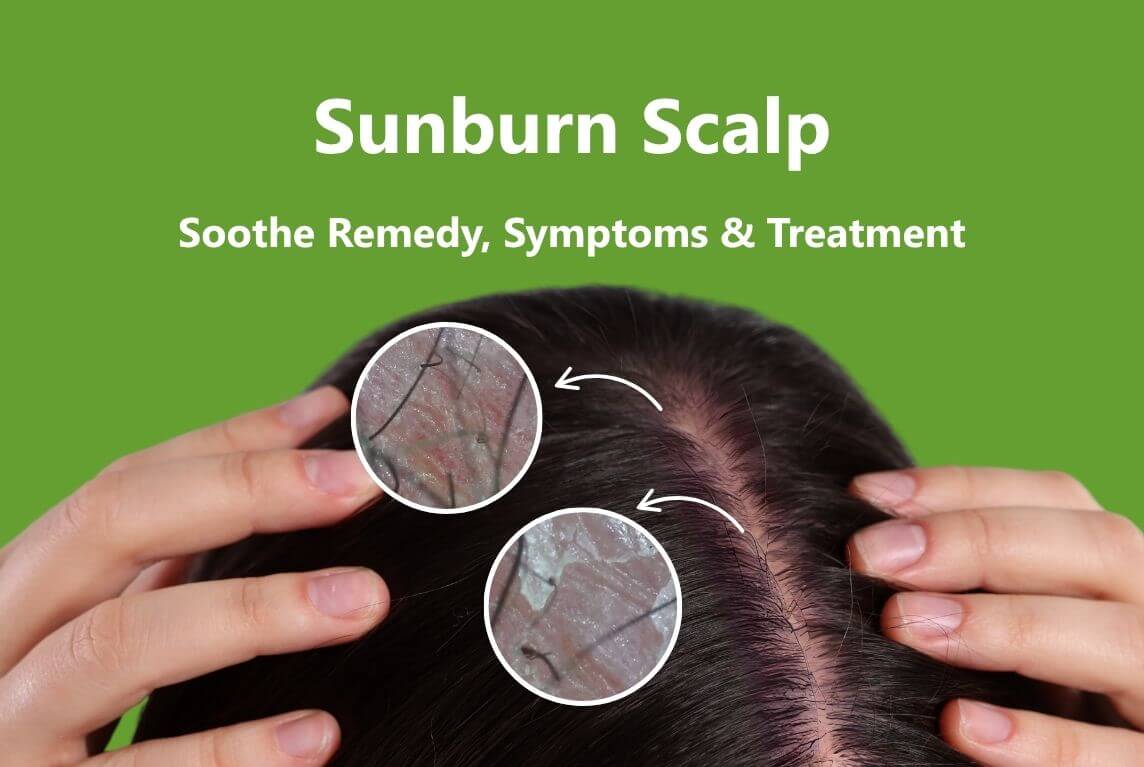
Allergens and winter buildup Spring brings pollen and environmental irritants that settle on the scalp and trigger itching. Add in residue from heavy winter products like thick conditioners and rich masks, and you’ve got a recipe for clogged follicles and an irritated scalp.
Your Spring Scalp Reset: 4 Simple Steps
- Start with a deep cleanse Begin the season with a thorough scalp exfoliation. A liquid pre-shampoo applied before washing on a dry scalp dissolves buildup that regular shampooing can’t reach. Do this weekly for the first month of spring.
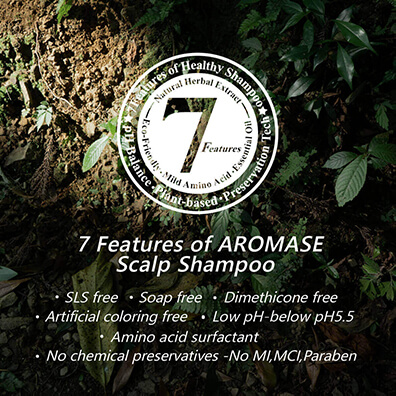
- Switch to a lighter shampoo If you’ve been using something richer through winter, now’s the time to move to a pH-balanced, balancing formula. It clears excess oil without triggering the rebound oiliness that harsh cleansers cause.
- Wash when your scalp needs it, not on a schedule Sebum production is increasing, so your washing frequency should flex too. If your roots feel greasy or itchy after two days, wash on day two. Listen to your scalp.
- Add a leave-in scalp spray A light spray between washes helps manage oil, soothe spring-triggered sensitivity, and keep the scalp balanced without adding heaviness to your hair.
Winter❄️ vs Spring🌸at a Glance
| Winter | Spring | |
|---|---|---|
| Cleanser | Rich, moisturising | Lighter, balancing |
| Wash frequency | Less often | More as needed |
| Pre-treatment | Optional | Weekly recommended |
| Leave-in | Heavy masks | Light scalp spray |
| Watch for | Dryness, flaking | Oiliness, shedding |
Your scalp goes through its own seasonal reset every spring, whether you help it or not. A few small adjustments now means fewer weeks of greasiness, itching, and unnecessary shedding later.
Start fresh. Your scalp will thank you.